Journal
Which remodels actually add value in Santa Cruz County
A real estate view of which projects return here, which ones are lifestyle purchases, and why those are two different questions.
Before Josh moved into building, he spent over a decade selling homes in Santa Cruz County. Which means he has stood in a lot of kitchens with sellers who spent seventy thousand dollars and expected the market to hand it back.
Sometimes it does. Often it does not.
So let us separate two questions that get tangled together constantly:
Does this add value? Will a buyer or an appraiser pay more because you did it?
Is this worth doing? Will your life be better for the years you live here?
Both are legitimate. They are not the same question, and the trouble starts when people answer one and think they have answered the other.
Here is how it looks in this specific market.
What makes Santa Cruz County different
Three things shape the answer here.
The land carries the value. In coastal California, a large share of a property's worth is location, lot, light, and proximity to the ocean. Improvements matter, but they sit on top of a land value you did not create and cannot renovate.
The housing stock is old. Great swaths of this county were built decades ago — beach cottages, mid-century tracts, mountain cabins that became full-time homes. Original wiring, original plumbing, undersized panels, deferred foundation work, additions of unclear permit status. This shapes what buyers are nervous about.
Housing is scarce and expensive. Which makes anything that legitimately adds livable space, or rental income, unusually valuable here compared to most of the country.
Projects that tend to return well here
Deferred maintenance and systems. Foundation work, roof, sewer lateral, electrical service, drainage. Nobody photographs a new panel. But in older Santa Cruz homes, these are the items that scare buyers, generate repair requests, and get negotiated at two or three times their actual cost during escrow. Fixing them before you list rarely shows up as a premium. It shows up as a sale that does not fall apart. That is value.
Kitchens, done at the right level. A functional, current, well-lit kitchen matters enormously to how a home shows. But there is a ceiling. Once your kitchen is nicer than the rest of the house and nicer than the neighborhood, the extra spend is for you, not the market. Mid-range kitchen work has historically returned better than high-end work, both in national cost-versus-value studies and in what we see locally. If you want the sixty-thousand-dollar range, buy it because you cook every night, not because you expect it back.
Bathrooms, especially adding one. Going from one bathroom to two in a three-bedroom home is one of the more reliable value moves in older housing stock. Refreshing an existing bathroom is good. Adding one changes who can buy the house.
A legitimate, permitted ADU. This is probably the strongest value-add available in this county right now. It creates rental income in a market with almost none, it creates multigenerational flexibility, and it appeals to a wide slice of buyers. Permitted matters. An unpermitted unit does not appraise, complicates lending, and can become a liability at the worst possible moment.
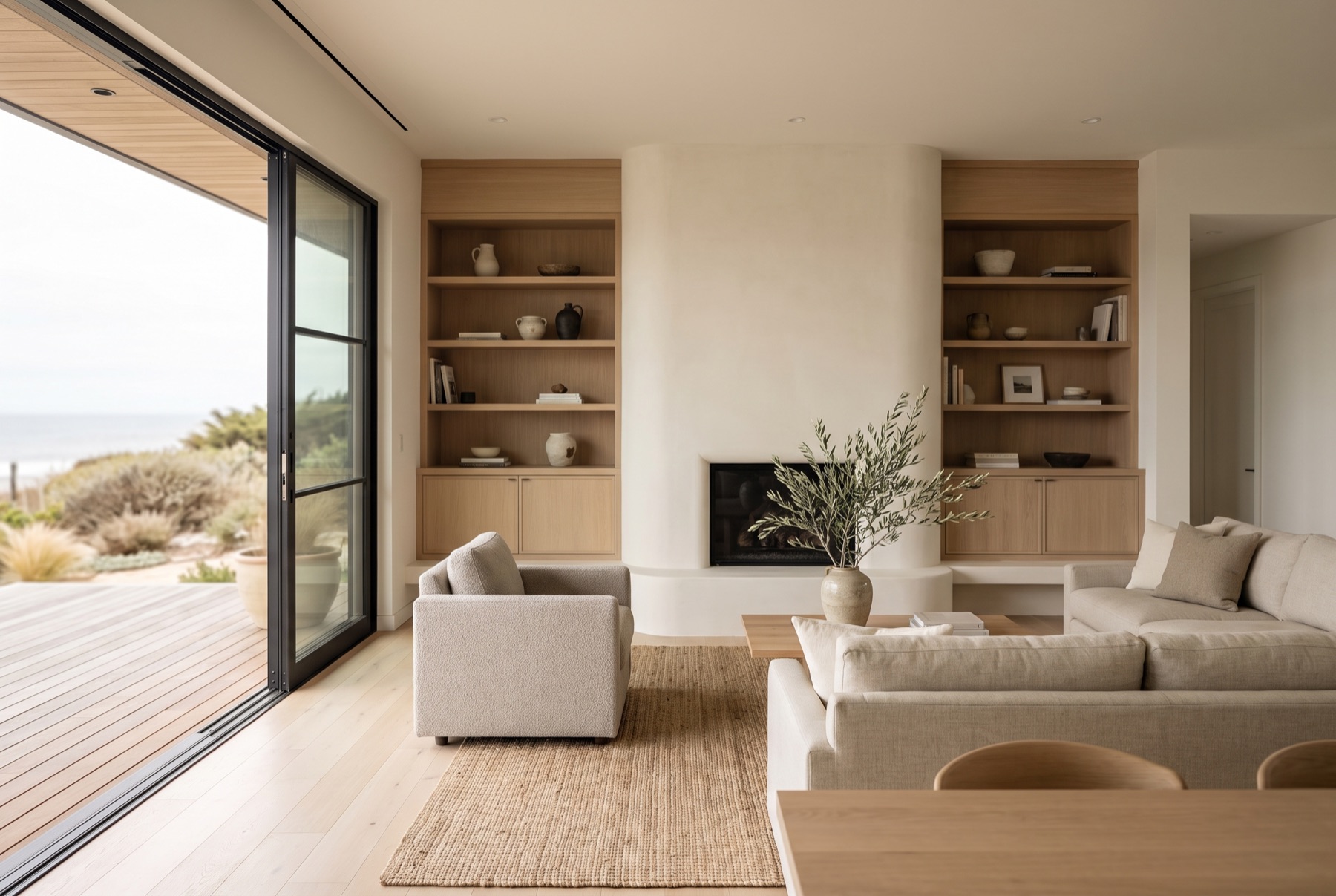
Indoor-outdoor living. We live outside here. A well-built deck, a real patio, a good sliding or folding door that connects the main living space to the yard — these consistently move people. They photograph beautifully, they extend usable square footage cheaply compared to conditioned space, and they are exactly what somebody moving here is imagining.
Light. Skylights, larger openings, opening up a dark warren of small rooms. Older homes here are frequently darker than buyers want. Fixing that is often less expensive than a full remodel and changes the emotional experience of the house more than almost anything else.
Legalizing what already exists. If you have unpermitted space that could be brought into compliance, that is sometimes the highest-return work available, because you are converting square footage that currently counts for nothing into square footage that counts. It is not always possible, and it is not always cheap, but it is worth investigating.
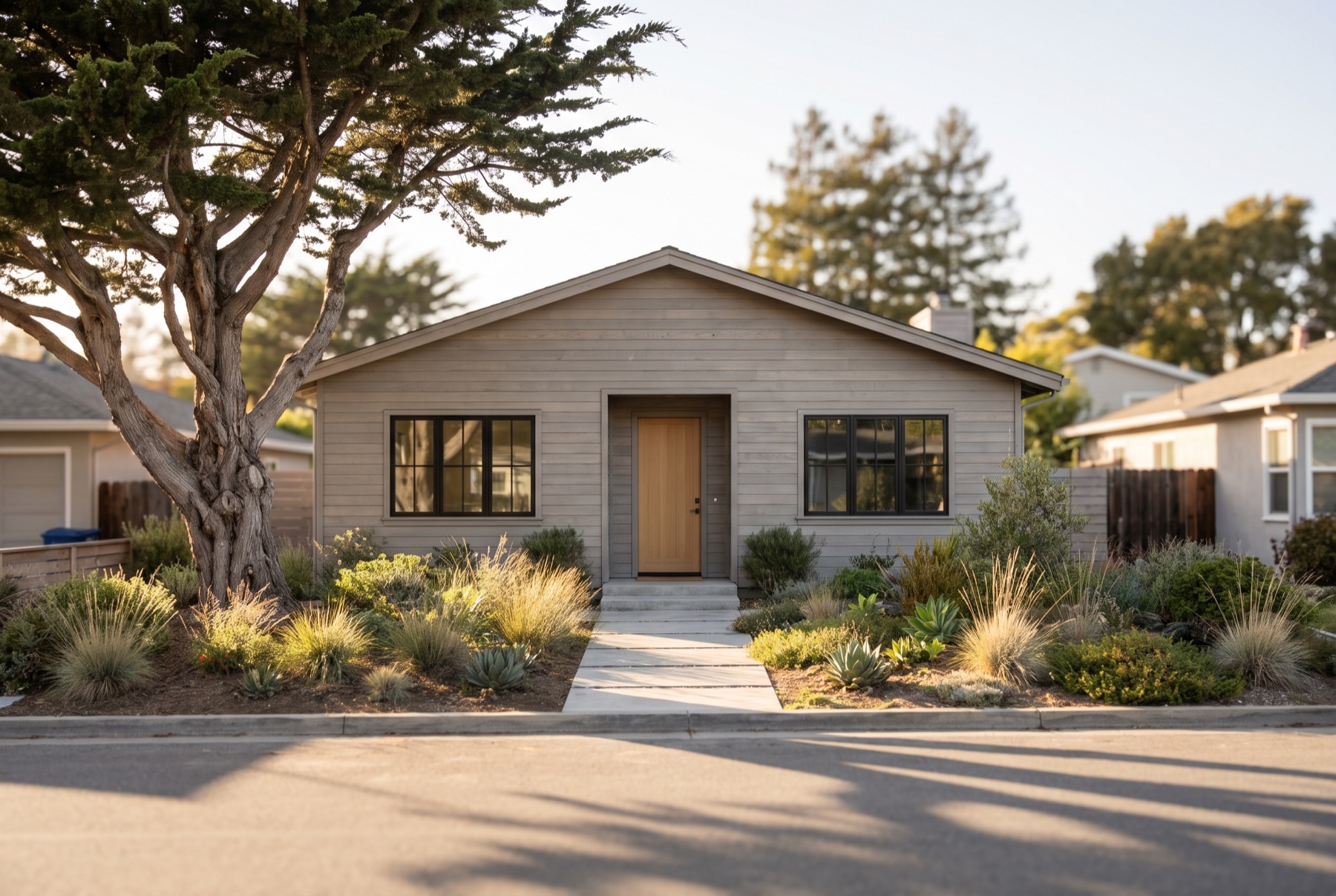
Curb appeal and the front door. Paint, landscaping, entry, garage door, fencing. Small money, disproportionate effect on first impression and on the price a buyer talks themselves into.
Projects that are mostly lifestyle purchases
None of these are bad. They just should not be justified with a return argument.
Pools. In this climate, on typical lots here, a pool is a lifestyle decision. Some buyers want one. Some see maintenance and a fenced hazard. It rarely returns close to its cost.
High-end primary suites. Wonderful to live in. The market pays for a good primary suite, not usually for a spectacular one.
Whole-house luxury finishes beyond the neighborhood. Every neighborhood has a ceiling. You can exceed it, and people do, but you are buying the enjoyment, not an investment.
Converting a garage and losing all parking. An ADU that costs the home its only covered parking is a real tradeoff in some neighborhoods. Run the math both ways.
Highly specific personalization. Bold tile, unusual layouts, a dedicated room for one hobby. Do it if you love it and plan to stay. Understand that the next buyer is starting from a different set of preferences.
Solar and electrification. Genuinely valuable for your utility bill and increasingly attractive to buyers. Whether it returns its cost at sale depends heavily on ownership versus lease, system age, and the buyer. Owned outright is a much better story than a leased system a buyer has to assume.
How to actually decide
A few questions that cut through most of it.
How long are you staying? Under three years, weight the return heavily. Over ten, weight your life heavily. This one question resolves most of the debate.
Where is the neighborhood ceiling? Look at what the nicest recent sales on your street actually closed at. If you are already within reach of it, additional spend is enjoyment, not investment.
Are you fixing a problem or adding a preference? Fixing problems — one bathroom, a broken layout, no connection to the yard, failing systems — tends to return. Adding preferences tends not to.
Is it permitted? Unpermitted work does not just fail to add value. It can subtract value, complicate financing, and blow up an escrow.
What does the whole house look like when this is done? A stunning kitchen attached to a tired house is a common and expensive mistake. Buyers evaluate the house as one thing.
Market conditions change, and so do the returns on any given project type. Treat everything above as a way of thinking rather than a table of numbers, and get a current read on your own neighborhood before you commit.
The honest summary
The projects that reliably add value here are the unglamorous ones and the space-creating ones. Systems, a second bathroom, a permitted ADU, real connection to the outdoors, light.
The projects that make you happy are a longer and more personal list, and there is nothing wrong with spending money there. Just know which one you are doing, and do not let a contractor or a designer — ours included — tell you a lifestyle project is an investment.
If you are weighing a remodel and want a straight read on both sides of that question, we are glad to talk. Josh is a licensed California real estate salesperson, DRE #01884101, and he will give you the market answer even when it argues against doing the work.